


 Back To Blog
Creating Calm Spaces: Why Good Acoustics Are Essential in Children’s Learning Environments
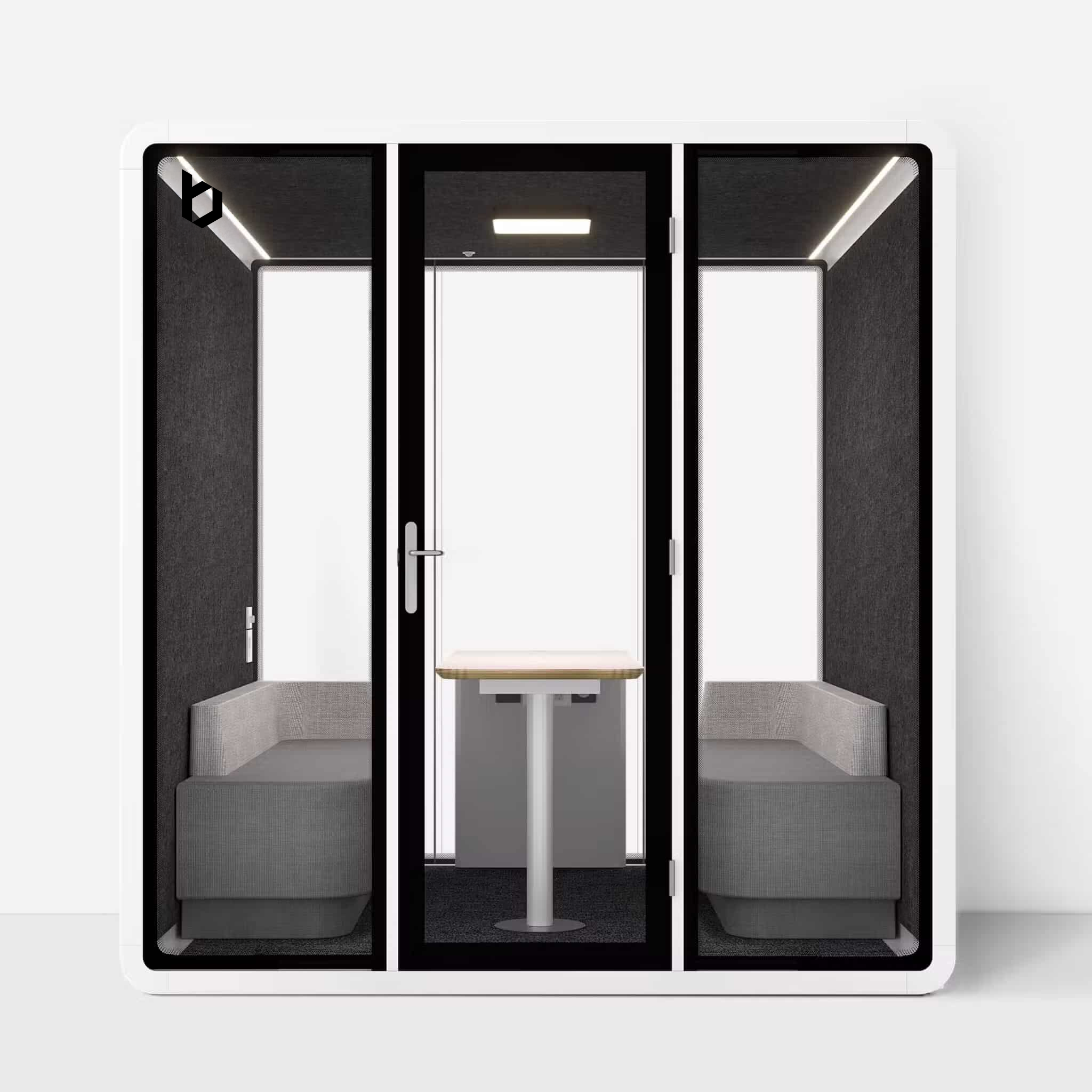
Children experience the world through heightened sensory awareness. Sounds that adults may filter out can feel far louder, sharper, or more distracting to young learners. In classrooms, nurseries, and educational activity spaces, this sensitivity makes acoustics especially important. The way sound behaves in a learning environment influences attention, comfort, communication, and emotional balance. Creating calm, acoustically considered spaces is therefore a fundamental part of supporting children’s learning.
While classroom design often focuses on layout, lighting, and resources, sound is sometimes treated as an afterthought. Yet noise levels, echo, and overlapping conversations can significantly affect how children process information. Good acoustics do not remove energy or interaction from a space. They shape it, allowing sound to exist in a controlled, supportive way.
How Sound Affects Learning
Children rely heavily on verbal instruction, group discussion, and auditory cues. When background noise is high or when sound reflects strongly from hard surfaces, speech becomes harder to distinguish. This can make it difficult for children to follow instructions, understand lessons, or stay engaged.
Poor acoustic environments often lead to raised voices, repeated information, and increased effort simply to be heard. Over time, this can cause fatigue and frustration for both children and educators. In contrast, spaces with well managed acoustics support clarity. Voices are easier to understand, instructions travel more effectively, and listening becomes less demanding.
This clarity allows children to direct their attention toward learning rather than filtering noise.
Supporting Emotional Comfort and Regulation
Sound does not only affect cognition. It also influences emotional response. Sudden noises, constant chatter, or echoing rooms can feel overwhelming, particularly for younger children or those who are more sensitive to sensory input.
Acoustically balanced environments help moderate these experiences. When sound is softened and contained, spaces feel calmer. This sense of calm supports emotional regulation, making it easier for children to settle into activities, transition between tasks, and participate confidently.
A calmer environment also supports positive behaviour. Children who feel comfortable are often better able to engage socially, cooperate with peers, and respond to guidance from adults.
Encouraging Focus and Participation
Focus is a developing skill. Children learn to concentrate through supportive conditions. Excessive background noise competes with attention, pulling focus away from tasks and lessons.
Good acoustics reduce this competition. By absorbing excess sound and limiting reverberation, classrooms become places where voices stand out clearly against a quieter backdrop. This makes it easier for children to stay with an activity, listen to stories, or contribute during group discussions.
When children can hear clearly, they are more likely to participate. They answer questions, share ideas, and engage more confidently with teachers and peers.
Creating Flexible Learning Zones
Modern learning environments often include a variety of activity areas. Quiet reading corners, collaborative tables, creative play spaces, and focused study zones may all exist within the same room.
Acoustic solutions help define these areas without the need for permanent walls. Screens, panels, and enclosed pods can introduce softer sound boundaries, allowing different activities to take place side by side. A calm reading space can exist near a group activity area without disruption.
This flexibility supports diverse learning styles and allows children to choose environments that suit the task at hand.
Supporting Educators and Care Providers
Teachers and care professionals experience classroom sound levels for extended periods. Poor acoustics can lead to vocal strain, fatigue, and difficulty maintaining attention across a group.
Improving acoustic comfort benefits educators as much as children. Clearer sound environments support more natural communication, reduce the need to raise voices, and contribute to a more balanced working atmosphere. This helps sustain energy, patience, and engagement throughout the day.
Acoustic Office and Thoughtful Learning Spaces
At Acoustic Office, acoustic balance is approached as a human requirement rather than a technical afterthought. With more than 25 years of experience, the company works with carefully vetted manufacturers to provide acoustic pods, booths, and screens suited to a wide range of environments, including educational and community spaces.
Clients can explore both budget-friendly quick-ship options and bespoke solutions designed around specific spatial needs. Acoustic Office also operates in line with recognised quality and environmental standards, reflecting a commitment to consistency, responsible practices, and long-term performance.
Building Environments Where Children Can Thrive
Learning spaces shape behaviour, confidence, and development. When sound is managed thoughtfully, environments become calmer, clearer, and more supportive. Children can listen more easily, participate more fully, and feel more secure within their surroundings.
Creating calm spaces through good acoustics is not about silence. It is about giving children the conditions they need to explore, connect, and grow.
Back To Blog