


 Back To Blog
Which Brands Offer Acoustic Pods with Built-in Ventilation in London?
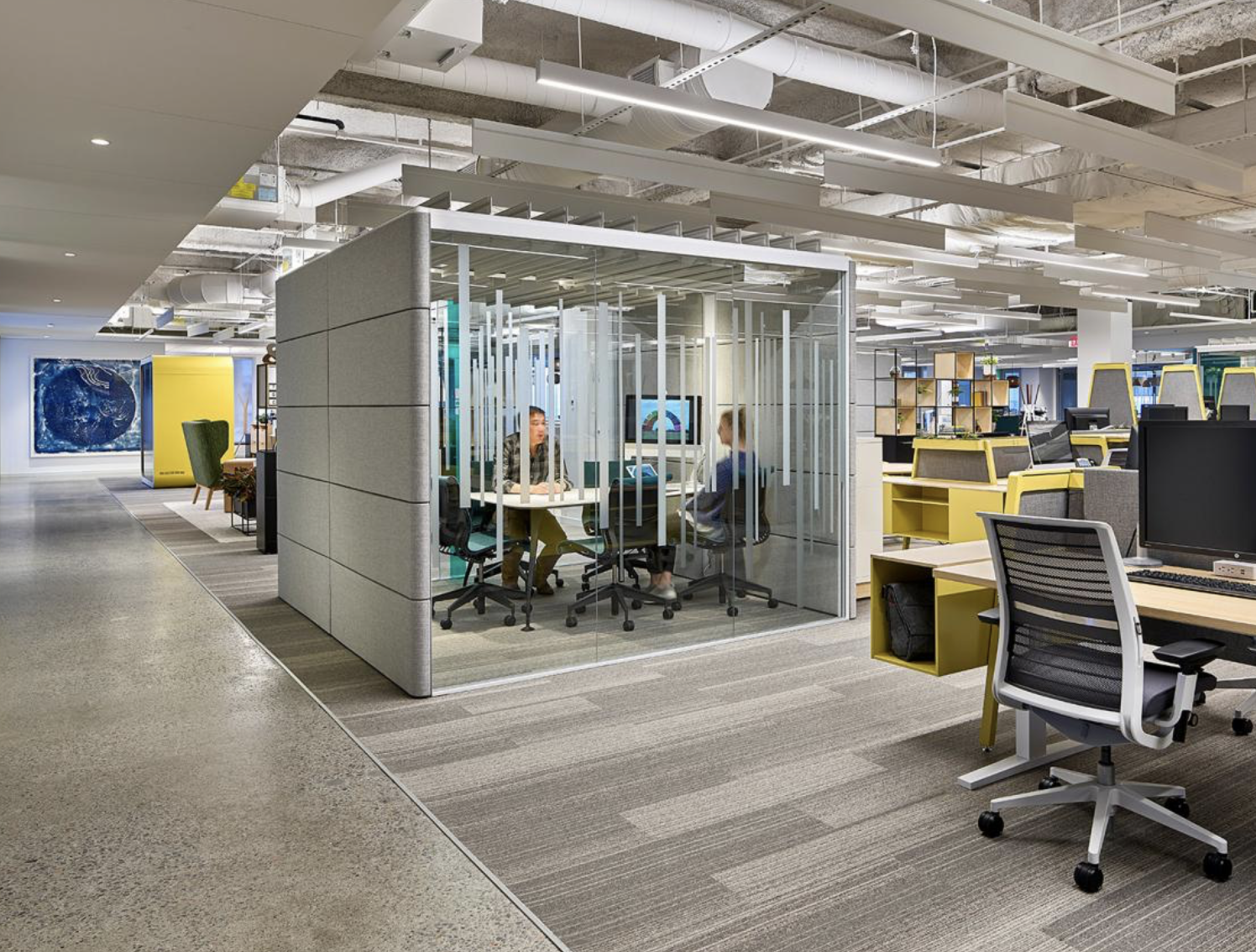
When people search for acoustic pods with built-in ventilation in London, they are often looking for a practical solution to a workplace challenge. Yet the question itself points to something much broader than product specifications. It reflects a growing expectation that workplace environments should feel comfortable, supportive, and effortless to use.
Interestingly, the features people value most are often the ones they rarely think about. Good lighting, comfortable temperatures, balanced acoustics, and effective airflow tend to fade into the background when they work well. It is only when something feels uncomfortable that attention is drawn to it. This is why conversations about acoustic pods are increasingly becoming conversations about the workplace experience as a whole.
The Workplace Comfort Revolution
Workplace expectations have changed significantly over the past decade. Not long ago, many offices were designed primarily around capacity and efficiency. The goal was often to fit teams into a space and provide the tools necessary to complete tasks.
Today, expectations are much higher. Employees spend large portions of their day in offices that support a variety of activities, from focused work and virtual meetings to collaboration and informal conversations. As a result, comfort has become an important consideration rather than a luxury.
This shift explains why searches for acoustic pods with built-in ventilation in London are becoming more common. Businesses are increasingly recognising that productive environments are shaped by multiple factors working together rather than by individual features alone.
Why Invisible Features Matter Most
One of the most interesting aspects of workplace design is that the best features are often the least noticeable. People immediately notice a room that feels stuffy or uncomfortable. They notice poor acoustics when conversations become difficult to follow. They notice glare from lighting or distractions from surrounding noise.
By contrast, when airflow feels natural and sound feels balanced, people rarely stop to think about it. Instead, they focus on the task in front of them.
This principle applies to many aspects of workplace design. The most successful environments often feel effortless because the systems supporting them operate quietly in the background.
Acoustic Pods Have Evolved
The role of acoustic pods has changed considerably as workplace expectations have evolved. Early conversations often focused primarily on privacy and sound control. While these factors remain important, modern workplaces now expect more from enclosed spaces.
Acoustic pods are increasingly being used for extended periods throughout the day. Employees may conduct meetings, participate in video calls, complete focused work, or collaborate with colleagues within these environments. As a result, expectations surrounding comfort have naturally increased.
The search for acoustic pods with built-in ventilation in London reflects this broader evolution. Businesses are looking for spaces that support people comfortably rather than simply separating them from surrounding noise.
The Relationship Between Comfort and Concentration
There is a close connection between comfort and attention. When people feel physically uncomfortable, even in subtle ways, it becomes harder to maintain concentration. Small distractions can gradually compete for mental energy and reduce focus over time.
Comfortable environments allow attention to remain on the work itself. Employees are less likely to think about their surroundings because those surroundings support rather than interrupt the task at hand.
This is one reason why organisations are increasingly considering acoustic environments as part of a wider workplace strategy. Acoustics, airflow, lighting, and layout all contribute to how a space feels and functions.
People Experience Spaces Holistically
One mistake that is sometimes made in workplace planning is treating features as separate considerations. In reality, employees rarely experience a workspace in isolated parts.
People do not think about acoustics, ventilation, lighting, and layout independently. They experience the overall atmosphere of the space. A room either feels comfortable or it does not. It either supports concentration or it creates distraction.
This holistic view of workplace design is helping shape how organisations evaluate acoustic solutions. The conversation is moving beyond individual specifications toward broader questions about employee experience and workplace wellbeing.
Acoustic Office and Modern Workplace Expectations
Acoustic Office understands that workplace comfort is influenced by multiple factors working together. By collaborating with carefully selected manufacturing partners and drawing on decades of industry experience, the company provides acoustic pods, booths, and screens designed to support a wide variety of workplace environments.
For organisations exploring acoustic pods with built-in ventilation in London, Acoustic Office offers both quick ship and bespoke solutions that can integrate naturally into modern workspaces. The emphasis is placed on creating environments that support comfort, flexibility, and acoustic balance while responding to the changing expectations of today's workplace.
The Best Features Are Often Invisible
The growing interest in acoustic pods with built-in ventilation in London highlights a wider shift in workplace design. Businesses are increasingly focused on creating environments that support people in ways they may not consciously notice.
The most effective workplace improvements are often the ones that quietly disappear into the background. Employees simply feel comfortable, focused, and supported without needing to think about why.
In the end, the best acoustic environments are not defined by how much attention they attract. They are defined by how naturally they allow people to do their best work.
Back To Blog