


 Back To Blog
Practical Ways to Improve Office Acoustics for a Peaceful and Productive Workspace
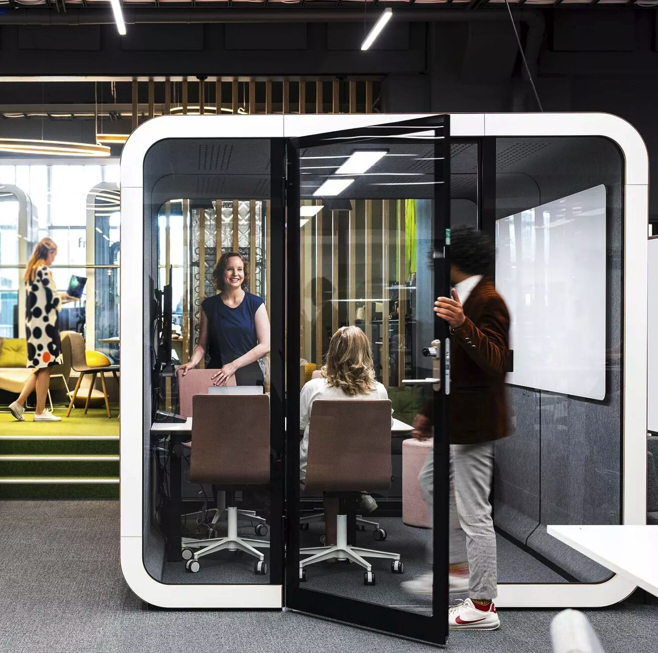
Modern offices are designed to encourage collaboration, flexibility, and connection. While these qualities bring many benefits, they can also introduce challenges when it comes to noise. Conversations, phone calls, and general movement can quickly create a sound environment that feels distracting rather than energising. Improving office acoustics is therefore an important step for organisations looking to create calmer, more productive workspaces.
Good acoustic design does not aim to eliminate sound entirely. Instead, it focuses on managing how sound travels and behaves within a space. With thoughtful planning and practical solutions, offices can support both concentration and communication without compromising on openness.
Understanding the Source of Noise
Before making changes, it helps to understand where noise comes from and how it spreads. In many offices, sound reflects off hard surfaces such as walls, ceilings, and floors. This reflection causes echo and increases overall noise levels, even when individual sounds are relatively quiet.
Open-plan layouts often amplify this effect. Without physical barriers, sound can travel freely across large areas, making it difficult for employees to focus. Identifying these problem areas is the first step toward improving acoustic comfort.
Introducing Acoustic Pods and Booths
One of the most effective ways to improve office acoustics is by introducing enclosed acoustic spaces. Pods and booths provide areas where sound is absorbed and contained, allowing employees to work or meet without distraction.
These spaces are particularly useful for phone calls, video meetings, and tasks that require deep concentration. By removing these activities from the open office, overall noise levels are reduced, benefiting everyone. Pods and booths also offer privacy, which can improve confidence and communication.
Using Acoustic Screens to Shape Space
Acoustic screens offer a flexible solution for managing sound without fully enclosing areas. They can be placed between desks, around workstations, or near high-traffic zones to reduce noise transfer.
Screens help absorb sound and create subtle boundaries within open spaces. This approach allows offices to maintain visual openness while improving acoustic comfort. Screens are especially useful in areas where permanent changes are not possible or where layouts need to remain adaptable.
Softening Surfaces to Reduce Echo
Sound behaves differently depending on the surfaces it encounters. Hard materials tend to reflect sound, while softer materials absorb it. Introducing soft furnishings can therefore make a noticeable difference to acoustic quality.
Carpets, upholstered furniture, and fabric wall panels all help reduce reverberation. Even small additions can lower background noise levels and create a more comfortable environment. These elements also add warmth and visual interest, contributing to a more welcoming workplace.
Zoning for Different Activities
Not all work requires the same acoustic conditions. Some tasks benefit from lively discussion, while others require quiet focus. Creating zones within the office allows different activities to coexist more comfortably.
Quiet zones can be supported by acoustic pods, screens, and softer materials, while collaborative areas can be designed to accommodate conversation. Clear zoning helps employees choose the right space for their tasks, reducing frustration and improving efficiency.
Supporting Employee Wellbeing
Noise is more than an inconvenience. Prolonged exposure to high or unpredictable sound levels can increase stress and mental fatigue. Improving office acoustics supports wellbeing by creating an environment where employees feel calmer and more in control.
When people can concentrate without constant interruption, they are more likely to feel satisfied and engaged in their work. Over time, this can lead to improved morale and reduced burnout.
Creating a More Balanced Workplace
A peaceful office is not a silent one. It is a space where sound feels controlled, conversations flow naturally, and focus comes more easily. By taking practical steps to improve acoustics, organisations can create environments that support both collaboration and concentration.
With the right combination of design, materials, and acoustic solutions, offices can become calmer, more productive places where people feel comfortable doing their best work.
Back To Blog