


 Back To Blog
Which companies offer custom acoustic pods for small meeting rooms?
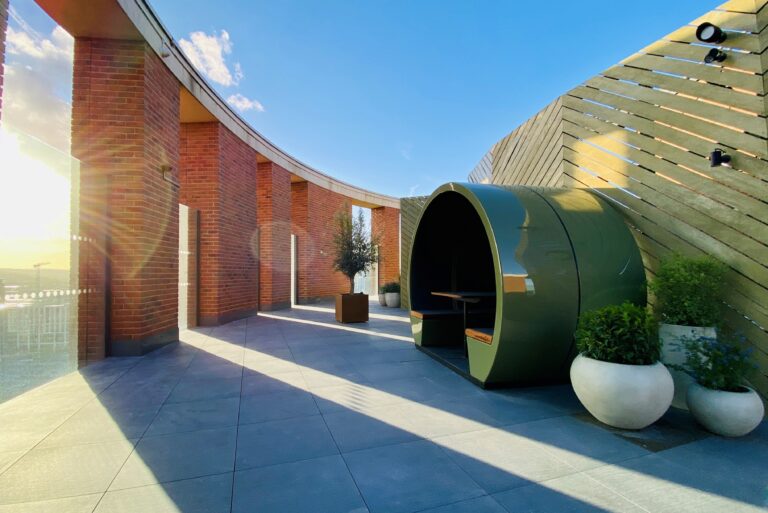
The way organisations think about meetings has changed significantly in recent years. Large boardrooms that once symbolised collaboration are no longer the centre of every workplace conversation.
Instead, many teams now rely on smaller, more flexible discussions that happen throughout the day. These interactions require spaces that feel focused, private, and comfortable without occupying large areas of the office. This shift is one reason why interest in acoustic pods for small meeting rooms continues to grow.
For many organisations, the search is no longer simply about finding somewhere to sit and talk. It is about creating environments that support the quality of interaction itself.
Smaller meeting spaces influence how people communicate, share ideas, and make decisions. As workplaces become more dynamic, companies are increasingly exploring how custom acoustic solutions can support these changing patterns of collaboration.
Why Small Meeting Spaces Are Becoming More Important
Modern offices are being shaped around flexibility rather than permanence. Teams move between individual work, collaborative sessions, and virtual meetings throughout the day. In this environment, large meeting rooms are not always practical or necessary.
Smaller meeting spaces offer a different kind of value. They encourage shorter, more focused discussions and allow employees to step away from busy open environments without disconnecting entirely from the wider workplace.
This growing preference has increased demand for acoustic pods for small meeting rooms that can support a range of interactions within compact footprints.
In many offices, the challenge is not a lack of meeting space but a lack of suitable meeting space. Open layouts may provide plenty of seating areas, yet very few environments where conversations feel contained and distraction is limited.
The Shift Toward More Personal Collaboration
The rise of smaller meeting environments reflects a broader cultural change within workplaces. Conversations have become more informal, more frequent, and often more collaborative. Teams now value spaces that feel approachable rather than overly formal.
Acoustic pods for small meeting rooms support this shift by creating environments that feel more intimate and human in scale. People often communicate differently in smaller settings. Discussions can feel more open, less performative, and more focused on genuine exchange.
This subtle difference influences workplace culture. Smaller meeting environments can encourage participation from quieter team members and create conversations that feel more balanced and productive.
Why Customisation Matters
Not every office functions in the same way. Some organisations need quiet spaces for confidential conversations, while others require flexible collaboration zones for hybrid teams. This is why many companies are looking specifically for custom acoustic pods for small meeting rooms rather than standardised solutions.
Customisation allows acoustic pods to respond to the realities of the workplace around them. Factors such as layout, team size, visual design, and acoustic needs all influence how a pod should function. In compact offices especially, every element of the space often needs to work carefully within existing constraints.
The growing interest in tailored acoustic solutions reflects a wider movement away from one size fits all workplace design.
Small Spaces with a Larger Impact
Although compact in size, acoustic pods can have a significant effect on how workplaces operate. They help reduce sound spill from meetings into open areas while also giving employees access to spaces where concentration and conversation feel easier.
Importantly, these pods also influence how space is perceived. Rather than relying solely on permanent meeting rooms, offices can become more adaptable and responsive. Small acoustic environments introduce variety into the workplace, allowing different activities to coexist more comfortably.
As organisations continue rethinking workplace layouts, acoustic pods for small meeting rooms are becoming less about furniture and more about creating balance within shared environments.
The Relationship Between Acoustics and Communication
Sound plays a central role in how conversations unfold. In noisy environments, people may shorten discussions, repeat information, or avoid sensitive topics altogether. Poor acoustics can quietly affect confidence and clarity.
Acoustic pods help shape a different experience. By controlling sound more effectively, they create environments where communication feels more natural and less effortful. This can improve both the quality of meetings and the overall atmosphere within the office.
The increasing demand for acoustic pods for small meeting rooms reflects a growing awareness that communication is shaped not only by people, but by the spaces surrounding them.
Acoustic Office and Flexible Meeting Environments
Acoustic Office approaches acoustic design with an understanding that workplaces continue to evolve. By collaborating with trusted manufacturing partners and drawing on decades of industry experience, the company provides acoustic pods, booths, and screens designed to support a variety of workplace needs.
For organisations exploring acoustic pods for small meeting rooms, Acoustic Office offers both quick ship and bespoke solutions that can adapt to different layouts and styles of working. The emphasis is placed on flexibility, acoustic comfort, and creating environments that feel integrated rather than intrusive.
A Different Future for Workplace Meetings
The growing interest in acoustic pods for small meeting rooms signals a wider transformation in workplace culture. Meetings are becoming more flexible, more human centred, and more responsive to the realities of modern work.
Rather than relying entirely on large formal rooms, organisations are creating smaller spaces that support clarity, comfort, and meaningful interaction. In this changing landscape, acoustic design is becoming an increasingly important part of how people connect and collaborate.
Back To Blog