


 Back To Blog
Acoustics vs. Soundproofing: What’s the Real Difference and Why It Matters
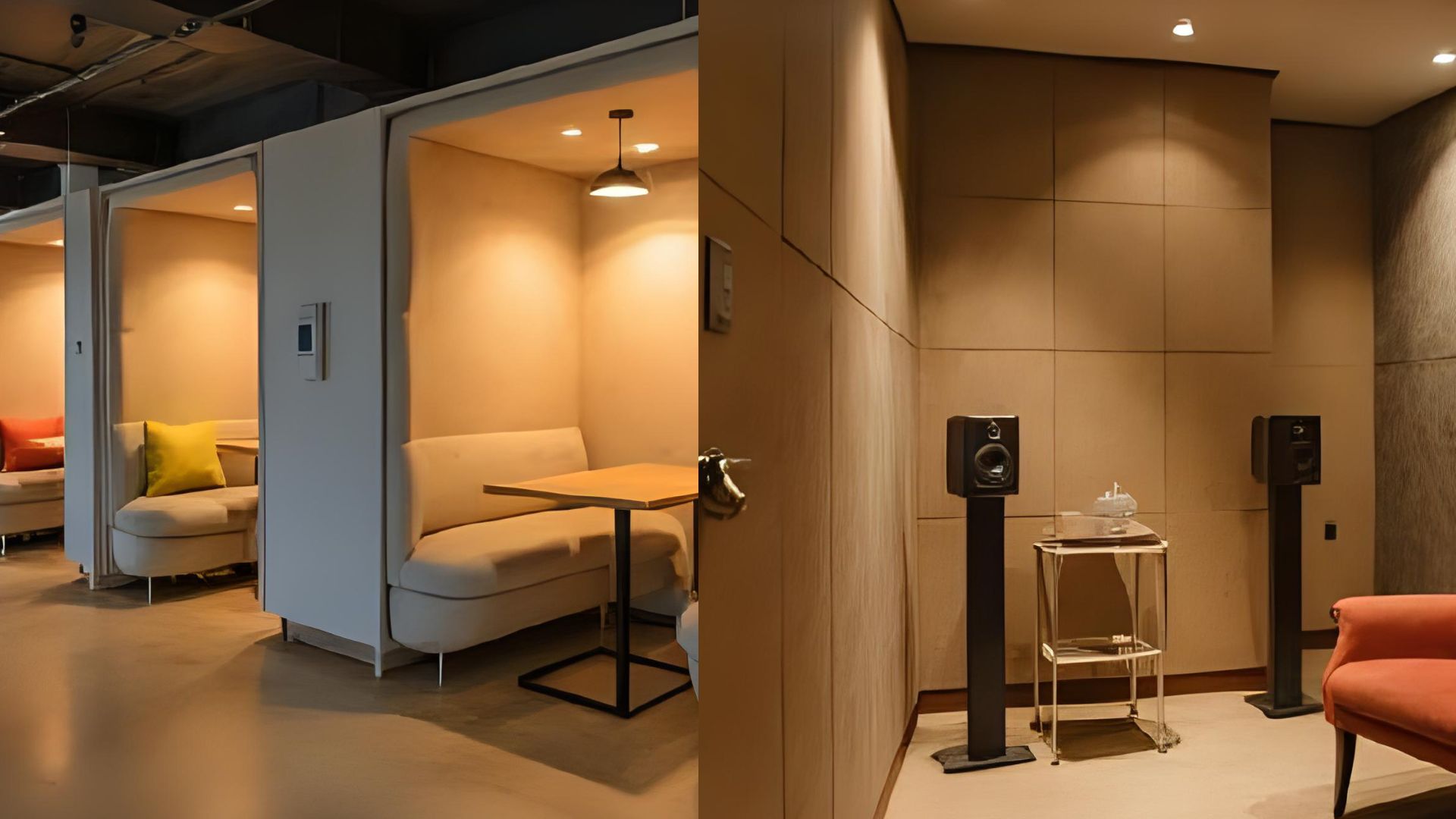
In discussions about workplace design, the terms acoustics and soundproofing are often used interchangeably. Both relate to how sound behaves in a space, but they serve very different purposes. Understanding the distinction between the two can help organisations choose the right solutions for their offices.
At Acoustic Office, clarity is key. Our team has helped businesses across the country create environments that balance focus, communication, and comfort. Knowing how acoustics and soundproofing differ is the first step toward achieving that balance.
Understanding Acoustics
Acoustics refers to how sound travels and interacts within a space. In an office, this includes how sound reflects off surfaces, how it is absorbed by materials, and how it spreads from one area to another. Good acoustic design aims to manage this movement of sound so that it feels comfortable and controlled.
In a well-designed acoustic environment, speech is clear, noise does not carry unnecessarily, and the overall soundscape feels calm. Achieving this involves using materials and structures that absorb or diffuse sound energy rather than letting it bounce around the room.
Acoustic pods, booths, and panels are examples of solutions that improve the internal sound environment. They do not block all noise completely but instead reduce unwanted echoes and help create balance. This balance allows employees to concentrate without feeling cut off from their surroundings.
Understanding Soundproofing
Soundproofing, on the other hand, focuses on preventing sound from passing from one space to another. Where acoustics deals with the quality of sound inside a room, soundproofing is about isolation between rooms or areas.
In an office setting, soundproofing might be important for meeting rooms, private offices, or call booths where confidentiality is needed. The goal is to stop external noise from entering and to ensure that internal conversations cannot be overheard outside.
Soundproofing typically involves denser materials and structural techniques such as layered walls, sealed doors, and insulated glass. While acoustic products can enhance sound quality, soundproofing is about creating a physical barrier.
Why the Difference Matters
Knowing the difference between acoustics and soundproofing helps businesses choose the right approach for their needs. If the issue is general noise or echo in an open-plan office, improving acoustics will often be the answer. Acoustic panels, pods, and screens can help absorb sound, reducing distraction and creating calmer working areas.
If the challenge involves privacy or confidentiality, then soundproofing becomes more relevant. This might apply to executive offices, HR departments, or meeting rooms where sensitive discussions take place.
In many workplaces, the best results come from combining both. Good acoustics ensure comfort and clarity inside a space, while soundproofing controls how noise moves between spaces.
The Impact on Productivity and Wellbeing
Both acoustic management and soundproofing contribute to productivity, but in different ways. Poor acoustics can make even short conversations tiring to follow. Employees may unconsciously raise their voices to be heard, leading to a louder and more stressful environment. Over time, this can affect focus and morale.
By contrast, poor soundproofing can lead to privacy concerns and interruptions from external noise. When employees know that conversations can be overheard, they may hold back from sharing ideas or sensitive information.
Balanced sound design helps resolve both problems. Offices that feel acoustically comfortable and well insulated from noise allow employees to work more confidently, communicate more clearly, and feel less fatigued at the end of the day.
Acoustic Office and the Science of Sound
At Acoustic Office, every solution begins with understanding how sound interacts with space. The company’s range of acoustic pods, booths, and screens are designed to improve internal acoustics while contributing to overall noise management across the workplace. With ISO 9001 and ISO 14001 certifications, Acoustic Office operates with both quality and environmental responsibility in mind.
Building Better Environments Through Sound
Sound plays a powerful role in shaping how people think and feel at work. Understanding the difference between acoustics and soundproofing allows organisations to make informed choices that support focus, wellbeing, and communication.
By combining thoughtful design with effective materials, it is possible to create workplaces that are both quiet and engaging. Acoustic Office continues to help clients achieve this harmony, one sound-conscious space at a time.
Back To Blog