


 Back To Blog
Where Can I Rent Acoustic Pods for Temporary Office Use?
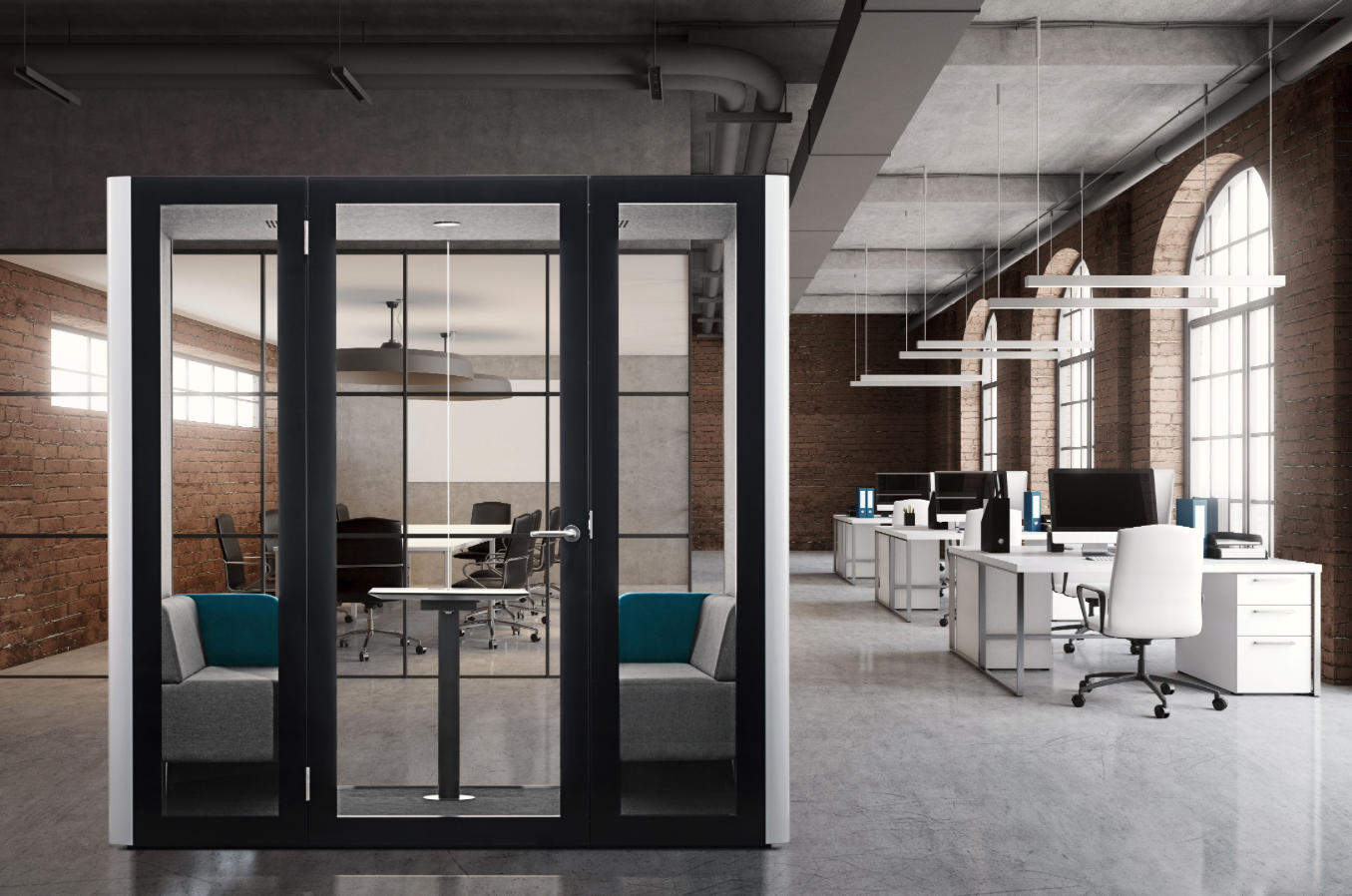
When organisations begin searching for temporary acoustic solutions, they often use the language of rental. Yet increasingly, businesses are exploring leasing as a practical way to introduce acoustic pods into the workplace without making a significant upfront investment.
This growing interest reflects a wider shift in workplace planning. Modern offices rarely remain static for long. Teams expand, projects evolve, and working patterns continue to change. As a result, many organisations are looking for ways to access workplace improvements while retaining the flexibility to adapt in the future.
In many ways, the rise of acoustic pod leasing reflects the rise of the flexible workplace itself.
The Workplace Is No Longer Fixed
There was a time when office design was based around long term certainty. Businesses signed lengthy leases, built permanent meeting rooms, and expected layouts to remain largely unchanged for years.
Today's workplaces operate very differently. Hybrid working, project-based teams, and changing occupancy levels mean organisations often need spaces that can evolve alongside them. What works perfectly today may need adjusting six months from now.
This shift has encouraged businesses to think more carefully about flexibility. Instead of committing immediately to permanent changes, many organisations prefer to test, adapt, and refine their environments over time.
The growing popularity of acoustic pod leasing reflects this mindset. Leasing allows businesses to introduce new workplace solutions while preserving flexibility for future decisions.
Why Temporary Solutions Are Becoming More Valuable
Temporary does not necessarily mean less important. In fact, some of the most significant workplace challenges arise during periods of change.
A company may be expanding rapidly and require additional meeting space before moving offices. A project team may need a private environment for a limited period. An organisation may wish to improve acoustic comfort while evaluating longer term workplace plans.
In these situations, flexibility becomes a strategic advantage. The ability to introduce a solution quickly and adjust plans later often has more value than pursuing a permanent option immediately.
The Rise of the Trial Mindset
Modern businesses increasingly apply a trial mentality to workplace decisions. Software can be tested before purchase. Flexible office arrangements allow organisations to scale space up or down. Even workplace technology is often introduced gradually.
Acoustic pods fit naturally into this approach. Leasing allows organisations to introduce acoustic solutions while maintaining greater flexibility around budgeting and future workplace decisions.
Interestingly, many organisations discover that acoustic needs are difficult to predict from floorplans alone. The way people actually work often differs from assumptions made during planning. Flexible leasing arrangements can provide valuable insight before larger decisions are made.
Why Flexibility Matters in Hybrid Workplaces
Hybrid working has introduced a new level of uncertainty into office planning. Attendance patterns vary from day to day, and spaces must often accommodate multiple working styles simultaneously.
This environment has encouraged businesses to seek solutions that can adapt alongside changing requirements. Acoustic pods have become particularly relevant because they create private spaces without requiring major structural alterations. They can support focused work, virtual meetings, confidential conversations, and collaborative discussions within the same workplace.
Leased acoustic pods are especially appealing because they allow organisations to respond to changing workplace needs without committing immediately to large scale redesigns. As working patterns evolve, businesses can retain the flexibility to adjust their environments accordingly.
Why Leasing Appeals to Modern Businesses
Leasing has become increasingly attractive because it allows organisations to balance workplace improvement with financial flexibility. Rather than delaying acoustic upgrades until major capital expenditure can be approved, businesses can often introduce solutions sooner while spreading costs over time.
This approach aligns with the broader trend toward flexible workplaces. Organisations increasingly want the ability to adapt environments as their needs evolve, and leasing can support that objective without requiring long term permanence from the outset.
For many businesses, workplace decisions are no longer simply about ownership. They are about access, adaptability, and ensuring that investments remain aligned with changing organisational priorities.
Workplace Agility Is Becoming a Competitive Advantage
One of the most significant workplace trends of recent years has been the move toward agility. Businesses increasingly value environments that can respond quickly to growth, new projects, changing teams, and evolving ways of working.
Acoustic solutions play an important role within this trend because they help organisations introduce new functionality without major disruption. Leasing further enhances this flexibility by reducing the barriers associated with large upfront commitments.
As a result, acoustic pods are becoming part of a broader conversation about how workplaces can remain adaptable while continuing to support employee experience and productivity.
Acoustic Office and Flexible Workplace Solutions
Acoustic Office understands that workplace requirements do not always fit neatly into long term plans. By working with carefully selected manufacturing partners and drawing on decades of industry experience, the company provides acoustic pods, acoustic booths, and acoustic screens designed to support a wide range of workplace needs.
For organisations considering leasing options, Acoustic Office can help explore solutions that align with both workplace requirements and future flexibility. The focus is on helping businesses create environments that work today while retaining the ability to adapt tomorrow.
The Future May Be More Flexible Than Permanent
The growing interest in leasing acoustic pods reflects a broader shift across workplace design. Organisations are becoming increasingly comfortable with the idea that offices can evolve over time rather than remain fixed.
The question is no longer simply where can I rent an acoustic pod. The more interesting question is why flexibility has become such an important workplace asset.
As businesses continue adapting to changing ways of working, solutions that can be introduced, adjusted, and scaled are likely to become increasingly valuable. In that sense, acoustic pod leasing is not simply about temporary office use. It reflects a wider movement toward workplaces designed to evolve alongside the organisations that use them.
Back To Blog