


 Back To Blog
Why Businesses Are Investing in Acoustic Office Pods for Hybrid Teams
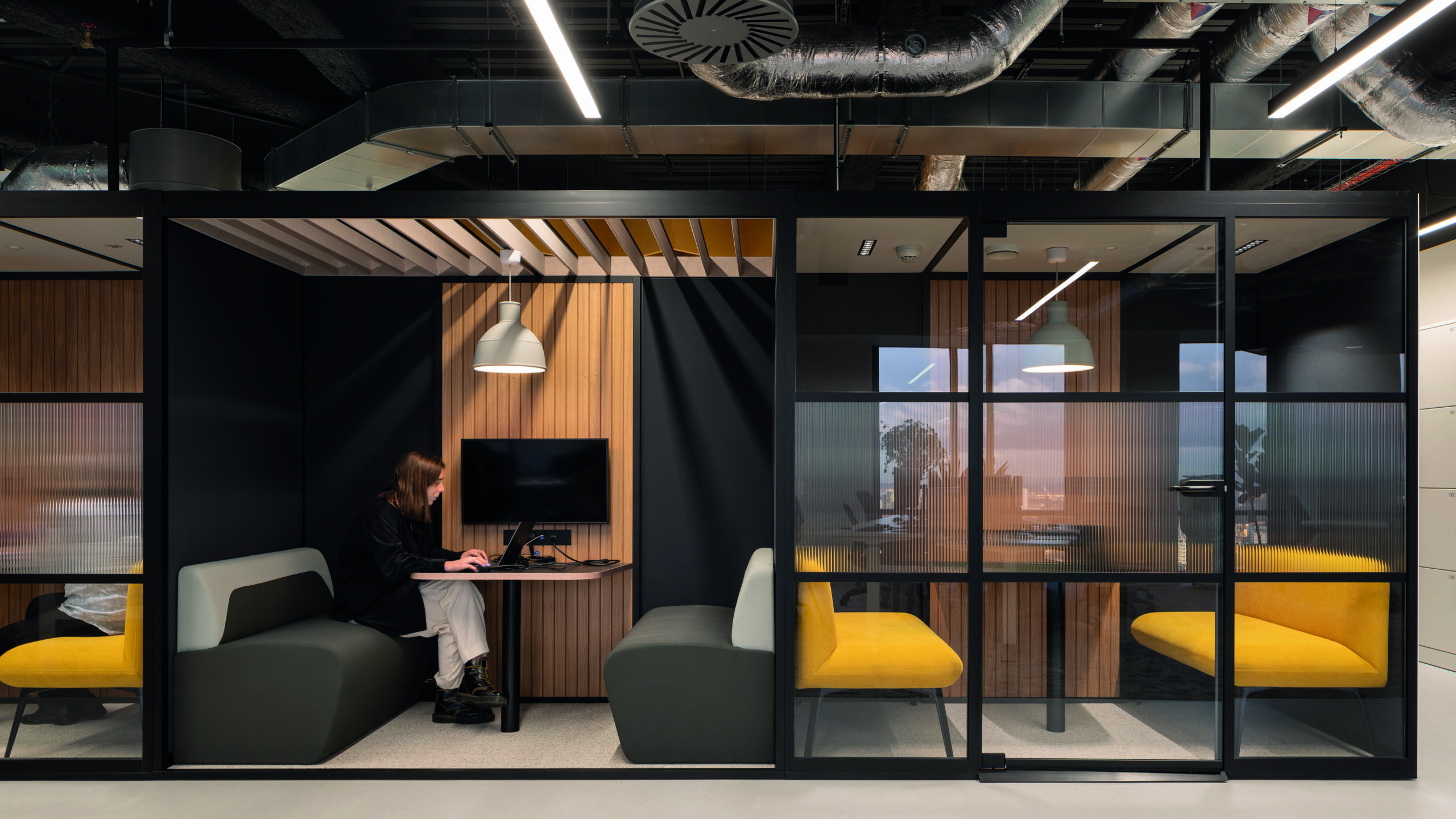
The rise of hybrid working has transformed office culture in ways that few could have predicted. With employees splitting their time between home and the workplace, the office has evolved from being a daily destination to a shared hub that needs to cater to diverse workstyles. In this context, the demand for private, enclosed spaces has grown significantly—and acoustic office pods have become some of the most effective tools for meeting that demand.
Yet the value of these booths extends beyond simply reducing noise. For hybrid teams, they address some of the deeper challenges that arise when colleagues are working in different places, at different times, with different expectations.
The Hybrid Balancing Act
One of the promises of hybrid working is flexibility: employees can choose when to come into the office and when to work remotely. While this model offers balance and autonomy, it can also create new tensions. Those working in the office may find themselves surrounded by online meetings, with colleagues speaking into headsets across open-plan floors. Meanwhile, remote participants often struggle to hear clearly over background noise.
This imbalance highlights a central issue: hybrid work requires equity. Every team member, whether at home or in the office, should have an equal opportunity to focus, contribute, and communicate effectively. Acoustic office pods are some ways that businesses are addressing this need, creating environments where video calls and deep work can happen without disruption.
Supporting Digital Collaboration with Acoustic Office Pods
Hybrid working has made video calls and online collaboration the norm. While this allows for connection across distances, it also puts pressure on office acoustics. Employees need places where they can participate in meetings without distracting others or being distracted themselves.
A sound isolation booth provides an enclosed, quiet environment that supports clearer conversations and better concentration. This not only improves the quality of digital interactions but also reduces the “Zoom fatigue” that often comes from straining to hear or be heard in noisy surroundings.
Creating Choice in the Workplace
Another important aspect of hybrid working is choice. Employees are no longer bound to a single desk or fixed schedule; instead, they move between environments based on the type of work they need to do. Offices that support this model often provide a mix of open spaces for collaboration and enclosed spaces for privacy.
By adding a sound isolation booth, companies expand the range of options available to their teams. An employee can choose to join a sensitive client call in a booth, collaborate with colleagues in an open area, and later move to a quieter zone for focused tasks. This variety supports different working preferences and helps make the office a more appealing place to spend time.
A Practical and Scalable Solution
What makes booths especially appealing is their practicality. Unlike full-scale renovations, they can be introduced into an office with relatively little disruption. They are also scalable since businesses can start with one or two booths and expand as demand grows. This flexibility makes acoustic office pods well-suited to the evolving needs of hybrid teams.
At Acoustic Office, the emphasis is on providing solutions that are both accessible and adaptable. With over 25 years of experience and strong partnerships with carefully vetted manufacturers, the company offers a variety of options—from budget-friendly quick-ship models to bespoke designs. Combined with ISO 9001 and ISO 14001 certifications, this approach highlights both quality assurance and eco-conscious practices.
Looking Ahead
Hybrid working is no longer a short-term trend—it is a defining feature of the modern workplace. As businesses continue to refine their office strategies, the need for balance between collaboration and focus will only increase.
Investing in acoustic office pods reflects an understanding of this shift. It acknowledges that hybrid teams require not only digital tools but also physical spaces that support equity, comfort, and concentration. In doing so, companies can create environments where employees feel empowered to do their best work—wherever they are.
Back To Blog