


 Back To Blog
How A Soundproof Shop Can Improve Your Memory of a Place
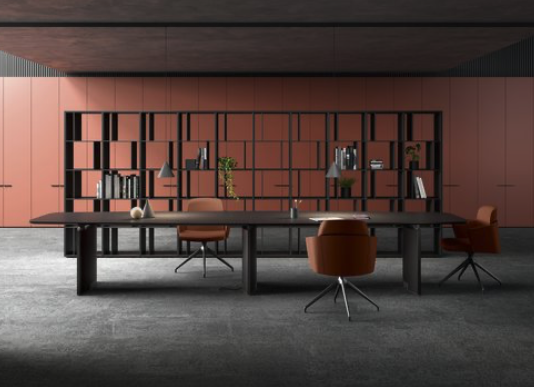
When people recall a place they have visited, the first image that comes to mind is not always visual. In many cases, it is sound that leaves the strongest impression. The murmur of conversation in a café, the echo of footsteps in a hallway, or the calm hush of a library can become deeply connected to how a space is remembered.
This connection between sound and memory is often overlooked in discussions about design, yet it plays a powerful role in shaping how environments are experienced. Understanding this relationship reveals why the role of a soundproof shop is becoming increasingly important in creating spaces that people remember positively.
Spatial memory refers to the way people store and recall information about places. While visual cues are important, sound contributes significantly to this process. The human brain constantly interprets auditory signals to understand surroundings.
These signals provide context, depth, and emotional tone. When sound within a space feels balanced and comfortable, it reinforces positive associations. When it feels chaotic or overwhelming, it can leave a lasting negative impression.
How Sound Shapes First Impressions
When someone enters a new environment, the brain immediately begins interpreting sound. Even before fully observing the layout or decoration, people sense whether the space feels calm, lively, or stressful. This early auditory impression becomes part of the memory that forms around the place.
For example, a restaurant that maintains clear conversation levels without overwhelming noise is often remembered as welcoming and comfortable. An office where voices echo across the room may be recalled as distracting or tense.
These impressions remain long after the visual details have faded. The soundscape becomes part of the story people carry with them about the space.
Emotional Associations with Sound
Sound does not only inform memory. It also shapes emotional responses. Certain acoustic environments naturally promote calm, while others create tension. Environments with controlled acoustics often feel more organised and supportive. People may not consciously analyse why they feel comfortable, but their minds recognise the difference.
A soundproof shop plays a role in helping individuals and organisations understand how to manage these acoustic conditions. By exploring solutions such as acoustic panels, booths, and pods, visitors gain insight into how sound can be shaped to support specific emotional outcomes within a space.
Sound as a Marker of Identity
Every place develops its own acoustic identity. Libraries are associated with quiet concentration. Cafés often have a soft layer of background conversation. Creative studios may have lively soundscapes that reflect active collaboration. These sound patterns become markers that help people recognise and remember different environments.
When acoustics are poorly managed, this identity can become confused. Spaces that aim to feel calm may instead feel chaotic. Workplaces designed for collaboration may become distracting. Through thoughtful sound management, environments can reinforce the atmosphere they intend to create.
The soundproof shop acts as a bridge between technical knowledge and everyday experience. It helps people translate the abstract concept of sound control into tangible improvements that shape how spaces are perceived.
The Role of Memory in Design
Design is often discussed in visual terms. Colour schemes, furniture choices, and architectural forms receive most of the attention. Yet the acoustic dimension of design influences how spaces are remembered long after a visit.
When sound is balanced, conversations become clearer and movement feels less disruptive. These subtle improvements create a sense of ease that encourages people to spend more time in a space. Over time, this comfort becomes part of how the place is remembered.
Designers are increasingly recognising that acoustics contributes to the long-term success of interiors. A thoughtfully managed sound environment can strengthen emotional connection, making spaces feel both distinctive and welcoming.
A Resource for Better Sound Environments
The growing awareness of sound in spatial memory highlights the value of specialist resources such as the soundproof shop. These spaces allow visitors to explore how acoustic elements perform in practice. Instead of imagining how panels or pods might work, people can experience the difference directly.
Through this process, individuals and organisations gain a deeper understanding of how sound influences memory, comfort, and behaviour. The soundproof shop becomes a place where acoustic knowledge becomes practical insight.
Acoustic Office and the Importance of Experience
Acoustic Office understands that sound influences more than immediate comfort. It shapes how spaces are remembered and how people feel within them. Drawing on more than twenty-five years of experience, the company collaborates with trusted manufacturing partners to offer acoustic pods, booths, and screens suited to many types of environments.
Clients can explore both quick ship options and tailored solutions designed to suit specific needs. By approaching acoustics as part of the wider experience of space, Acoustic Office supports environments that feel balanced and memorable.
Remembering Spaces Through Sound
The connection between sound and memory reveals how deeply acoustics influences human experience. While design may first catch the eye, sound often leaves the more lasting impression. Spaces that feel calm, clear, and comfortable are the ones people remember most positively.
As awareness of this relationship continues to grow, the role of the soundproof shop will become even more important. By helping people understand and shape the acoustic character of their environments, it contributes to spaces that are not only functional but also deeply memorable.
Back To Blog