


 Back To Blog
What a Sound Insulation Store Can Teach You About Silence ?
Silence is often described as the absence of noise, yet anyone who has spent time in different environments knows that quiet does not always feel the same. A library may feel calm and contemplative, a quiet café may feel warm and social, and a silent office may feel focused or even tense.
Interestingly, these spaces can sometimes have very similar sound levels. What changes is not simply the volume of sound but the way sound behaves within the environment. Understanding this difference reveals why acoustic design matters and why resources such as a sound insulation store are becoming increasingly important for those shaping modern spaces.
The perception of silence is influenced by more than decibel levels. It is shaped by acoustics, the materials used within a room, the way sound reflects or is absorbed, and the expectations people bring into the space. Together, these elements form what might be called the character of quiet.
The Quiet of a Library
Libraries are often considered the classic example of silence. Yet the quietness in a library is rarely complete. Soft footsteps, the turning of pages, or the distant movement of chairs still occur. What makes this environment feel quiet is the way these sounds behave.
Libraries typically use materials and layouts that soften sound. Shelves filled with books naturally absorb noise, while carpets and soft furnishings reduce echoes. The result is a gentle acoustic environment where sounds fade quickly rather than lingering. Because these sounds are controlled, they rarely disrupt concentration.
Just as important is expectation. Visitors enter a library anticipating a quiet environment. This shared understanding reinforces the sense of calm. Acoustic design supports the experience, but human behaviour completes it.
The Quiet of a Café
A café can feel quiet even when it contains more sound than a library. Soft conversations, coffee machines, and background music create a subtle layer of activity. This sound is often described as ambient noise. Rather than disrupting the atmosphere, it can make the environment feel comfortable and relaxed.
The acoustics of cafés often encourage this effect. Materials such as wood, fabric seating, and textured surfaces help diffuse sound. Instead of sharp echoes, sound spreads gently through the space. Conversations blend into a soft background layer that provides privacy for individuals at different tables.
This type of quiet is social rather than silent. People feel at ease speaking, reading, or working because the surrounding sound creates a sense of shared presence without overwhelming the environment.
The Quiet of an Office
As an experienced sound insulation store, we know that silence can take on a different emotional tone in the workplace.. A quiet office may feel focused and efficient, but it can also feel tense if sound travels too easily between desks. In some environments, employees may feel self-conscious speaking or making phone calls because they believe every sound will be noticed.
This perception often arises when acoustics are not carefully managed. Hard surfaces and open layouts allow sound to travel across large areas. Even small noises can feel amplified when echoes are present or when there are few sound absorbing materials.
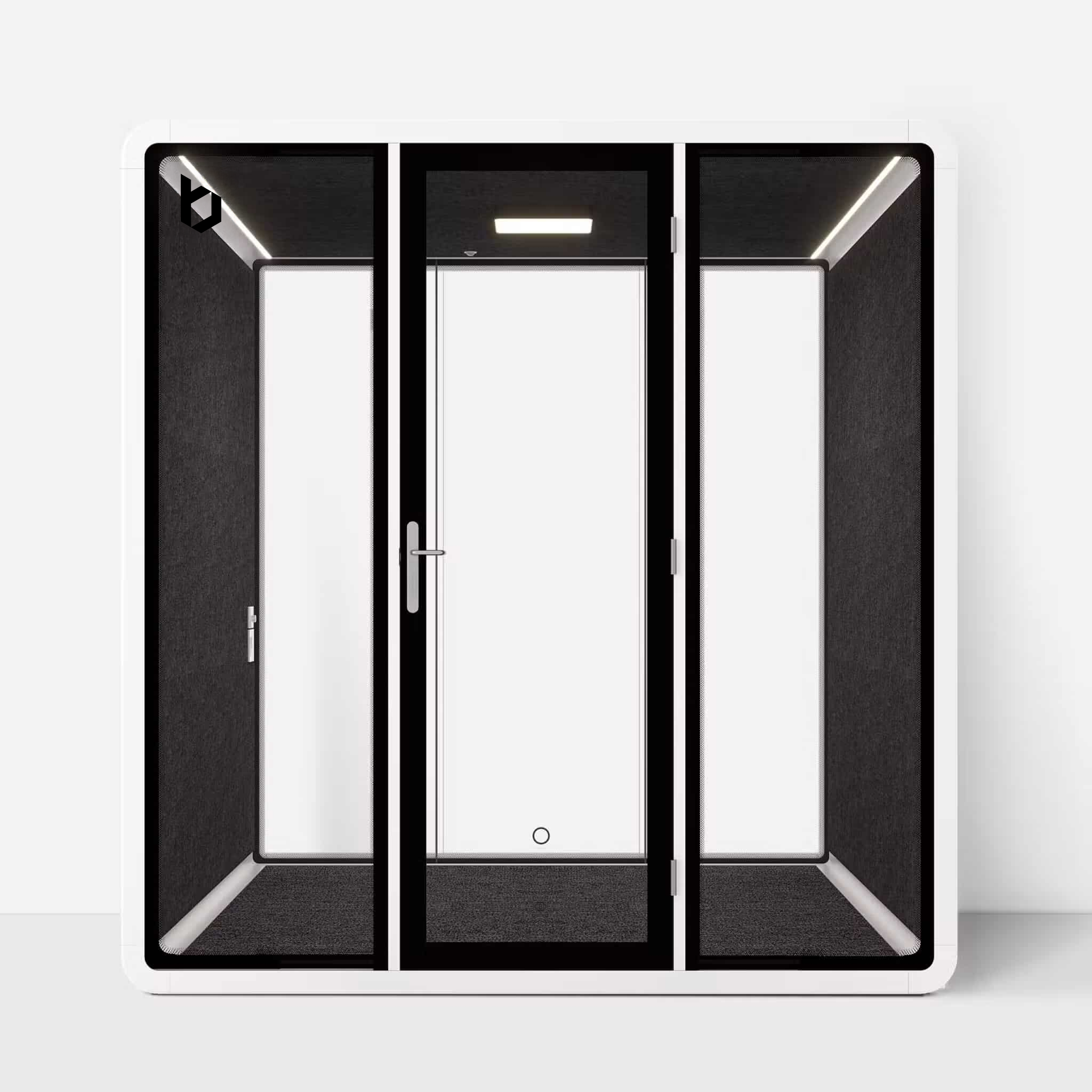
Acoustic solutions such as panels, screens, and enclosed pods can help introduce balance. By managing reflections and containing certain activities, offices can maintain calm without creating an atmosphere of pressure or discomfort.
The Role of Acoustic Design: a Professional Sound Insulation Store
These examples illustrate that silence is not defined by a single measurement. The experience of quiet is shaped by how sound behaves within a space and how people interact with that sound.
Acoustic design works to manage this behaviour. Absorbing materials reduce echoes, diffusive surfaces spread sound more evenly, and enclosed areas provide spaces where conversations can occur privately. Together, these elements help shape the emotional character of an environment.
For those seeking to improve sound conditions in homes, workplaces, or public venues, a sound insulation store can provide valuable insight into these solutions. By exploring different materials and acoustic elements, individuals can better understand how sound influences comfort and perception.
Understanding Quiet Through Experience
One of the most effective ways to understand acoustics is through experience. Stepping into environments where sound is thoughtfully managed reveals how subtle changes in materials and layout can transform the atmosphere of a room.
A sound insulation store often offers this opportunity. Visitors can explore how acoustic panels, pods, and other sound management tools influence the way sound behaves in real environments. Experiencing these differences helps translate technical concepts into practical understanding.
Acoustic Office and the Balance of Sound
Acoustic Office recognises that sound influences how spaces are felt as much as how they function. Drawing on over twenty-five years of experience, our sound insulation store works with trusted manufacturing partners to offer acoustic pods, booths, and screens suited to a variety of environments.
Clients can explore both ready to install options and tailored solutions designed around specific spaces. Through this approach, Acoustic Office supports environments where sound is carefully balanced and comfort is prioritised.
The Subtle Power of Quiet
Quiet spaces are not defined by the absence of sound but by the presence of balance. A library, café, and office may share similar sound levels yet evoke very different emotions. These differences arise from acoustic design, material choices, and the expectations people bring into each environment.
By understanding how silence is shaped with the support of a sound insulation store, designers and organisations can create spaces that feel calm, welcoming, and supportive. In doing so, they recognise that the experience of quiet is not accidental. It is something that can be thoughtfully designed and carefully maintained.
Back To Blog